
Health Insurance Guide
Expert insights and comprehensive guides to navigate healthcare coverage

Trending Articles

Don't Auto-Renew Your Health Insurance for 2027 — Here's Why This Year Is Different
Most years, letting your marketplace plan roll over is merely expensive. For 2027, it's a genuine gamble: rates are finalizing around 15% higher and applied unevenly, a dozen insurers are leaving markets outright, and if your plan disappears, "doing nothing" means a formula picks your next insurance company for you. Add shifting subsidy benchmarks and the end of automatic bronze-to-silver fixes, and passive renewal is the riskiest it's been in years. Here's what can go wrong — and the 30-minute active renewal routine that protects you before December 15.

Cigna Is Leaving the ACA Marketplace: What Its 369,000 Members Should Do for 2027
Cigna will not sell individual marketplace plans anywhere in 2027 — a complete exit from all 11 of its states, affecting roughly 369,000 enrollees in Arizona, Colorado, Florida, Georgia, Illinois, Indiana, Mississippi, North Carolina, Tennessee, Texas, and Virginia. Your coverage is safe through December 31, 2026, but there will be no Cigna option when you shop for January. The timeline, what the discontinuation letter means, why employer Cigna plans aren't affected, and how to pick a replacement that covers your doctors — before the December 15 deadline.

Is Your Health Insurance Company Leaving in 2027? What Exit Letters Mean
At least a dozen insurers — including Cigna, Molina, CareSource, and Medica — are exiting or shrinking their ACA marketplace footprint for 2027, affecting hundreds of thousands of enrollees in more than 20 states. If yours is on the list, a legally required discontinuation letter is headed your way, though your coverage continues through December 31, 2026. The marketplace may auto-map you to a "similar" plan from another insurer — but that plan can have a different network, drug list, and price. Here's the full exit list, why carriers are leaving, and how to pick a replacement before the December 15 deadline.

Will the ACA Subsidies Come Back? Where the Extension Bill Actually Stands
The House passed a three-year extension of the enhanced premium tax credits on January 8 — 230 to 196, with votes from both parties. The Senate never voted on it, and the action has shifted to a bipartisan compromise — the CARE Act — that would restore the credits for two years with income caps and minimum premiums, but keeps stalling over details. Meanwhile, insurers set 2027 rates assuming the credits stay gone and enrollment dropped by roughly 2.6 million. Here's where things actually stand — and why you shouldn't bet your coverage decisions on Congress.

Thinking About Going Without Health Insurance in 2026? Read This First
Roughly 5 million fewer people are enrolled in marketplace plans than last year — most of them priced out, not careless. Before you drop coverage, here's what going uninsured really costs, the state penalties that still exist, and the Bronze, Catastrophic, and Medicaid options that may cost far less than you think.

How Much Is Health Insurance Per Month in 2026? Real Average Costs
Unsubsidized plans commonly run roughly $450–$650/month — but the average subsidized enrollee pays about $159. What drives your price, costs by metal tier, and why most people overestimate what they'd pay. Plus the 2026–2027 context: sticker premiums rose about 26% this year and 2027 rates are finalizing at roughly 15% more, so comparing annually matters more than ever.
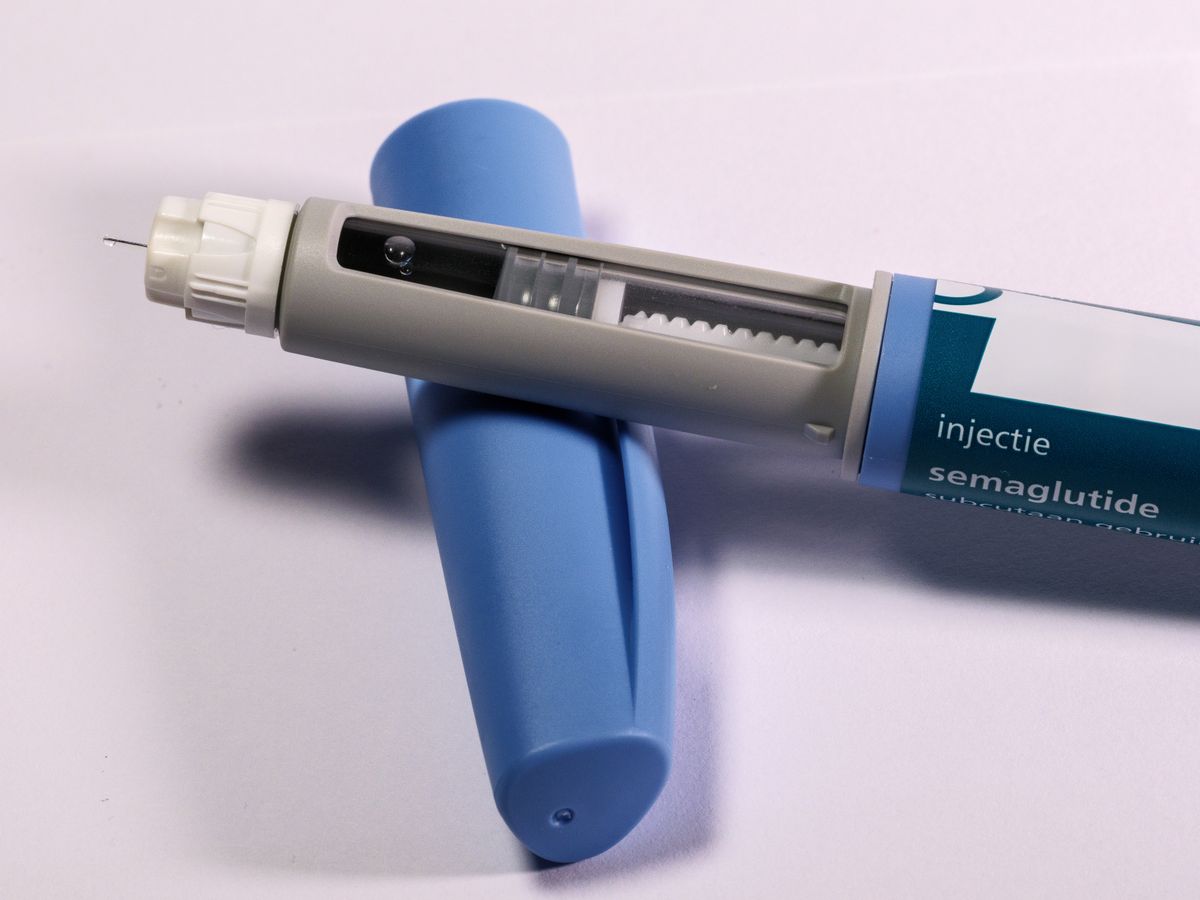
Employer Dropping Your GLP-1 Coverage in 2027? Here Are Your Options
Roughly 10% of employers that cover GLP-1s for weight loss plan to drop them in 2027 — and even Cigna cut the benefit for its own employees. What's actually changing, why diabetes coverage usually continues, and 8 practical options, from appeals to marketplace plans to $350–$500/month self-pay programs.
What the One Big Beautiful Bill Means for Your Health Insurance (2026–2027 Timeline)
The One Big Beautiful Bill Act and the separate expiration of enhanced premium tax credits hit health insurance at the same time — and headlines keep blurring the two. Net marketplace premiums rose roughly 58% on average in 2026, the 400% FPL subsidy cliff is back, and Medicaid work requirements arrive by the end of the year. Researchers estimate roughly 5–10 million people could lose Medicaid by 2028, largely over paperwork. Here's a plain-English timeline of what's already changed, what's coming in 2027, and the checklist to protect your coverage.

Medicaid Work Requirements in 2026: What to Do If You Lose Coverage
Starting in 2026, most adults on expansion Medicaid must document at least 80 hours a month of work, training, education, or community service — and states must begin checking by December 31. Researchers estimate roughly 5 to 10 million people could lose coverage by 2028, mostly from paperwork confusion rather than failing to work. Worse, people disenrolled for missing the requirement generally can't get ACA marketplace subsidies, creating a real coverage gap. Here's who's exempt, how to protect your coverage now, and what to do if you're wrongly disenrolled.

How to Appeal a Health Insurance Claim Denial (and Win) in 2026
Health insurance claim denials have climbed to their highest rate in nearly a decade — yet fewer than 1% of people ever appeal, even though a large share of appeals succeed. Many denials come down to fixable problems like coding errors, missing documentation, or prior-authorization technicalities. Under the ACA, you have the right to an internal appeal within roughly 180 days and, if that fails, a binding external review by an independent third party. This step-by-step guide walks through reading your EOB, building the evidence, writing the appeal letter, and escalating until you win.

The Subsidy Cliff Is Back: Health Insurance Options If You Earn Too Much in 2026
The enhanced premium tax credits expired January 1, 2026, and the ACA's all-or-nothing subsidy cliff is back — earn even one dollar over 400% of the federal poverty level and your premium tax credit drops to zero. Older adults just over the line can face four-figure monthly premiums, and going over the cliff after taking an advance subsidy means repaying the entire credit at tax time. The good news: pre-tax retirement and HSA contributions can legally pull your MAGI back under the threshold, sometimes unlocking thousands in credits. And if you can't get under, Bronze and Catastrophic plans, off-exchange options, and ICHRAs can soften the blow.

Does Health Insurance Cover Ozempic & Wegovy (GLP-1) in 2026?
GLP-1 medications like Ozempic, Wegovy, Mounjaro, and Zepbound are among the most-searched drugs in healthcare — and the most confusing for insurance. Whether your plan pays usually comes down to one question: diabetes or weight loss? This guide explains the key distinction, why weight-loss coverage is so inconsistent in 2026, prior authorization, what these drugs cost without coverage (~$1,000+/month), and how to pick a plan that actually covers your medication.

Did ACA Subsidies Expire? 2026 Premium Tax Credit Changes Explained
Headlines about 'expiring subsidies' caused panic in 2026 — but ACA subsidies didn't vanish. The temporary enhanced premium tax credits (2021–2025) were scaled back, while the original program remains. This explainer clears up the confusion: what actually changed, the difference between enhanced and base credits, who still qualifies, and how to protect the help you're entitled to. Includes a side-by-side comparison and the reasons many people are wrongly assuming they no longer qualify.

Why Did My Health Insurance Premium Go Up in 2026? (Subsidy Cliff Explained)
If your health insurance bill spiked this year, there's a clear reason. Two changes hit at once in 2026: insurers raised sticker premiums about 26%, and the enhanced premium tax credits that lowered net costs since 2021 were scaled back — bringing back the 'subsidy cliff.' Combined, the amount many people actually pay rose nearly 60% nationally. This explainer breaks down both forces, who's hit hardest (older adults, the self-employed, those just over the income limit), and the concrete steps that can bring your premium back down.

Cheap Health Insurance in 2026: 9 Real Ways to Lower Your Premium
Health insurance got dramatically more expensive in 2026 — premiums rose about 26% and net costs nearly 60% after subsidies were scaled back. But cheap coverage still exists if you know where to look. This guide breaks down nine legitimate ways to lower what you pay: checking subsidy eligibility, picking the right metal tier, the Silver cost-sharing trick, HSA-eligible plans, comparing every carrier in your ZIP, and timing your enrollment. Includes a plan-tier comparison and answers to the most-searched affordability questions.

Which Health Insurance is Best for You? Complete 2026 Decision Guide
Choosing health insurance doesn't have to be overwhelming. This comprehensive guide breaks down the top providers including UnitedHealthcare, Blue Cross Blue Shield, and Aetna, comparing coverage options, network sizes, and real costs. Learn exactly what to look for based on your specific situation - whether you're self-employed, have a family, or managing chronic conditions. Includes state-by-state comparisons and insider tips on maximizing benefits while minimizing costs.
The Truth About Why Health Insurance Costs So Much in America
Americans pay more for healthcare than any other developed nation - but why? This investigative deep-dive reveals the 10 biggest factors driving up your premiums, from the 30% administrative overhead to pharmaceutical pricing games. Discover how hospital consolidation, surprise billing, and the middleman economy add thousands to your annual costs. Most importantly, learn practical strategies to reduce your expenses despite the broken system.

Warning: The Latest Health Insurance Scams Targeting Americans
Scammers are getting sophisticated, using AI and stolen data to create convincing health insurance fraud schemes. This urgent guide exposes the newest tactics including fake ACA websites, robocall scams, and phishing attacks targeting Medicare recipients. Learn the red flags that always indicate fraud, how to verify legitimate insurance agents, and what to do if you've already been targeted. Includes a scam-checker checklist and resources for reporting fraud.
Latest Guides

New ACA Income Verification Rules Start August 25 — Get Your Documents Ready
Stricter marketplace income verification takes effect August 25, 2026 — with a 90-day deadline that HHS estimates could cost up to 2 million people their coverage, mostly over incomplete paperwork. Who gets flagged, what documents to gather, and how to protect your subsidy.

The Subsidy Repayment Trap: Caps Are Gone in 2026 — Estimate Your Income Carefully
Starting with tax year 2026, the caps that limited ACA subsidy repayment are eliminated — and the 400% FPL cliff is back. Underestimate your income and you can owe back every dollar of excess credit when you file in spring 2027. Who's most at risk and five ways to protect yourself.

Is Open Enrollment Shorter This Year? The December 15 vs. January 15 Question, Explained
A 2025 federal rule cut Open Enrollment to December 15 — then a June 2026 court ruling struck it down, and an appeal could revive it. Here's what the legal fight means for your coverage, and why enrolling by December 15 protects you no matter how it ends.

How to Compare Health Insurance Plans: The Complete 2027 Checklist
Comparing plans on monthly premium alone is the most expensive mistake in health insurance. This 9-point checklist covers total cost of care across three scenarios, verifying your doctors and medications, metal tiers, the Silver CSR check, new HSA eligibility for Bronze plans, network types, and why last year's winner rarely repeats.
COBRA vs. Marketplace Insurance After Losing Your Job (2026)
Losing a job means losing your health plan — and choosing between COBRA and the marketplace within 60 days. COBRA keeps your exact plan and deductible progress, but at roughly $500–$900+ a month for one person. With enhanced subsidies expired at the end of 2025, marketplace credits now cut off at 400% of the poverty level, reshaping the math. Here's how to run the numbers both ways before your window closes.

New HSA Rules for 2026: Bronze & Catastrophic Plans Now Qualify
Starting January 1, 2026, every Bronze and Catastrophic plan sold on the ACA marketplace is automatically HSA-eligible — a major expansion under the One Big Beautiful Bill Act. The law also permanently lets high-deductible plans cover telehealth before the deductible and makes direct primary care membership fees HSA-qualified expenses. With enhanced subsidies expired and premiums up, pairing a cheaper Bronze plan with an HSA's triple tax advantage softens the higher deductible and cuts your tax bill. Here's what changed, the contribution limits for 2026, and who benefits most.

What Is an ICHRA? Your Employer's Health Allowance Explained (2026)
More employers are ditching group plans in favor of the ICHRA — a tax-free monthly allowance you use to buy your own individual health plan. With enrollment roughly tripling in 2026 and major carriers like Anthem, Oscar, Ambetter, and Wellpoint launching ICHRA-specific plans, the model has officially gone mainstream. But there's one rule that trips people up: you can't combine an ICHRA with a premium tax credit, and the opt-out decision is generally locked for the year. Here's how the arrangement works, who comes out ahead, and how to run the ICHRA-vs-subsidy math before you decide.

Health Sharing Ministries & Fixed Indemnity Plans: Are ACA Alternatives Safe in 2026?
With enhanced ACA subsidies expired and marketplace enrollment down roughly 20%, health sharing ministries and fixed indemnity plans are booming — some health shares have grown 50% or more in under a year. But health shares aren't insurance: payment is voluntary, pre-existing conditions are often excluded, and there are no ACA protections or appeal rights. Fixed indemnity plans pay flat cash amounts that a real hospital bill can dwarf many times over. Here's how these alternatives actually work, the red flags regulators are warning about, and the narrow cases where they can make sense.

Lower Premium or Lower Deductible? How to Downgrade Your Health Plan Without Getting Burned (2026)
With enhanced subsidies expired and average net premiums up roughly 58% in 2026, many households are eyeing a drop from Gold or Silver to Bronze or Catastrophic plans. The right call comes down to one formula — total cost of care across a healthy year, a typical year, and a worst-case year. But there are traps: leaving a CSR-boosted Silver plan can cost you far more than it saves, and the cheapest plan that doesn't cover your medication isn't cheap. This guide walks through the math, the new 2026 HSA rules for Bronze plans, and the lines you should never cross.

Turning 26? How to Get Your Own Health Insurance (2026 Guide)
Turning 26 means aging off your parent's health plan — but exactly when depends on the plan type, and getting the date wrong is how people end up uninsured by accident. The good news: losing that coverage opens a 60-day Special Enrollment Period, and subsidies are based on your income once you're not a tax dependent. We walk through your five main options, from your own employer's plan to catastrophic coverage for under-30s, plus a first-timer crash course on premiums, deductibles, and copays. Here's how to line up a new plan with zero gap in coverage.

Will Health Insurance Cover Weight-Loss (Bariatric) Surgery in 2026?
Bariatric surgery can be life-changing — and expensive without coverage. The good news: many plans pay for it when it's medically necessary. The catch: approval requirements are strict. This guide covers what's covered in 2026, qualifying criteria (BMI 40+, or 35+ with a condition), which procedures qualify (gastric sleeve, bypass, banding), the prior-authorization process, and a step-by-step path to getting approved or winning an appeal.

Does Health Insurance Cover Therapy & Mental Health in 2026?
The short answer is yes — mental health care is a required essential benefit, and parity laws mean it can't be covered more restrictively than physical health. But 'covered' and 'affordable and easy to access' aren't the same. This guide explains what's covered (therapy, psychiatry, substance use, virtual therapy), what it costs with insurance, your parity protections, and how to solve the real challenge: finding an in-network therapist who's accepting patients.

Telehealth Coverage in 2026: What's Included and What's Not
Virtual care has gone from emergency stopgap to everyday convenience. In 2026, telehealth is a standard benefit in most plans — often at the same rate as in-person visits and sometimes with a low or $0 copay. This guide covers what virtual care typically includes (primary care, minor illnesses, mental health, refills, remote monitoring), what it can't replace, how it affects your copay and deductible, and exactly what to check before you enroll.
Missed Open Enrollment? Special Enrollment Periods (SEP) Explained
Missing Open Enrollment doesn't always mean going without coverage for a year. If you've had a major life change — losing coverage, marriage, a new baby, or a move — a Special Enrollment Period may let you sign up right now, usually within 60 days. This guide covers which events qualify, the 60-day clock, how to enroll, documentation you may need, and what to do (Medicaid/CHIP, short-term bridge) if you don't qualify.

2027 Open Enrollment: Dates, Deadlines & How to Prepare
After the 2026 premium increases, the worst thing you can do is auto-renew without looking. This guide gets you ready early for 2027 Open Enrollment: expected dates (Nov 1, 2026 – Jan 15, 2027), the December deadline for a January 1 start, what happens if you miss it, a full prep checklist, and the smart moves — re-check your subsidy, compare every carrier, enroll early — that keep you from overpaying.

Short-Term Health Insurance vs. ACA Plans (2026): Pros, Cons & Risks
With premiums up in 2026, short-term plans and their low monthly prices look tempting — but 'cheaper' can be expensive when you actually need care. This honest comparison covers cost, subsidies, pre-existing conditions, essential benefits, and payout caps, with a head-to-head table. Learn exactly when a short-term plan makes sense as a brief bridge and when it can leave you with enormous bills, plus why checking your ACA subsidy first often makes comprehensive coverage cheaper than expected.

Cheapest Health Insurance by State (2026): How to Find Your Lowest Rate
There's no single 'cheapest' health insurance in America — prices are set state by state and even county by county. This guide explains what makes coverage cheaper in some places than others (insurer competition, local medical costs, Medicaid expansion, state-run vs. HealthCare.gov exchanges) and gives a reliable, step-by-step way to find your lowest rate by ZIP code in 2026. Includes why statewide 'cheapest state' rankings can mislead and why you should never auto-renew.

How to Qualify for Health Insurance Subsidies in 2026 (Income Limits)
Premium tax credits are the single biggest way most people lower their health insurance bill — yet many assume they don't qualify and never check. This guide explains exactly how subsidy eligibility works in 2026: how income limits scale with household size, what counts as income (MAGI), why families qualify at higher incomes, and how to apply. Includes the three factors that set your credit and the reasons 'you make too much' is so often wrong.
Bronze vs. Catastrophic Health Plans: Which Is Cheaper in 2026?
Both plan types are built around the lowest possible monthly premium — but they work very differently and aren't open to the same people. Catastrophic plans have the lowest premium but require you to be under 30 (or have a hardship exemption) and generally can't take a subsidy. Bronze plans cost a little more but are subsidy-eligible and open to everyone. This comparison includes a side-by-side table and a simple framework for figuring out which is actually cheaper for your age, income, and health needs.
How Does Health Insurance Work? Everything You Need to Know in 2026
Demystifying health insurance once and for all. This guide explains the entire system in plain English - from how premiums, deductibles, and copays actually work together, to understanding the difference between PPO, HMO, and EPO plans. Learn how insurance companies negotiate rates, why in-network matters, and how to calculate your real out-of-pocket costs. Perfect for first-time buyers or anyone confused by their coverage.
How to Get Health Insurance Without a Job, Employer, or SSN
Lost your job? Self-employed? New to the US? You still have options for quality health coverage. This guide covers every pathway to insurance for non-traditional situations - from ACA marketplace plans and Medicaid to short-term coverage and health sharing ministries. Special sections for undocumented immigrants, visa holders, and those between jobs. Includes state-specific programs and little-known assistance options that could save you thousands.

The Self-Employed Guide to Health Insurance: Save Money, Get Covered
Being your own boss shouldn't mean going without health insurance. This comprehensive guide shows freelancers, contractors, and small business owners how to navigate the insurance maze. Learn about the self-employed health insurance deduction that could save you thousands, compare individual vs. group plans, and discover when an HSA makes sense. Real examples from successful entrepreneurs show exactly how they structured their coverage for maximum protection and tax benefits.
2026 Open Enrollment: Everything You Need to Know Now
Get ahead of the 2026 enrollment period with this early-bird guide. While dates aren't final, we break down expected timelines, predicted premium changes, and new regulations coming into effect. Learn why starting your research now could save you from costly mistakes later. Includes preparation checklists, documents you'll need, and strategies for comparing plans effectively. Plus, special enrollment periods you might qualify for if you miss the main window.
How to Deduct Health Insurance on Your Taxes: 2026 Complete Guide
Turn your health insurance premiums into tax savings with this comprehensive guide. We break down exactly who can deduct premiums (spoiler: more people than you think), how to calculate your deduction, and strategies that could save you thousands. Special focus on self-employed deductions, HSA contributions, and itemized medical expenses. Includes worksheets, real examples, and warnings about common mistakes that trigger audits.

Getting Insurance to Cover Breast Reduction: What You Need to Know
Breast reduction surgery can be life-changing, but will insurance pay? This detailed guide walks you through the entire approval process, from documenting medical necessity to appealing denials. Learn exactly what symptoms and documentation insurance companies require, which providers are most likely to approve, and how to work with your doctor to build a strong case. Includes real patient stories, average costs, and alternative financing options if insurance says no.

Dental Implants and Insurance: How to Get Coverage in 2026
Dental implants can cost $3,000-$6,000 per tooth, but insurance might help more than you think. This guide reveals when medical insurance (not just dental) might cover implants, including after accidents, birth defects, or cancer treatment. Learn the critical difference between cosmetic and medically necessary procedures, how to coordinate medical and dental benefits, and financing strategies that make implants affordable. Includes sample appeal letters and success stories.
Ready to Find Your Perfect Health Insurance Plan?
Our licensed advisors are here to help you understand your options and find coverage that fits your needs and budget.
Get Your Free QuoteReady to Secure Your Coverage Today?
Join thousands who have found their perfect health insurance plan with Health Insurance Network. Get your personalized quote in seconds.
Free quotes • No obligations • Instant results